




Punt automatically optimises every video to the ideal format, resolution and bitrate for any device or connection. No manual settings, no quality loss.
Multiple editors, clients or stakeholders can review and comment on the same timeline simultaneously. Changes appear instantly with zero buffering.
Punt delivers a full‑featured native app for macOS, Windows and Linux. Offline, it handles 4K source files locally and syncs automatically when reconnected.
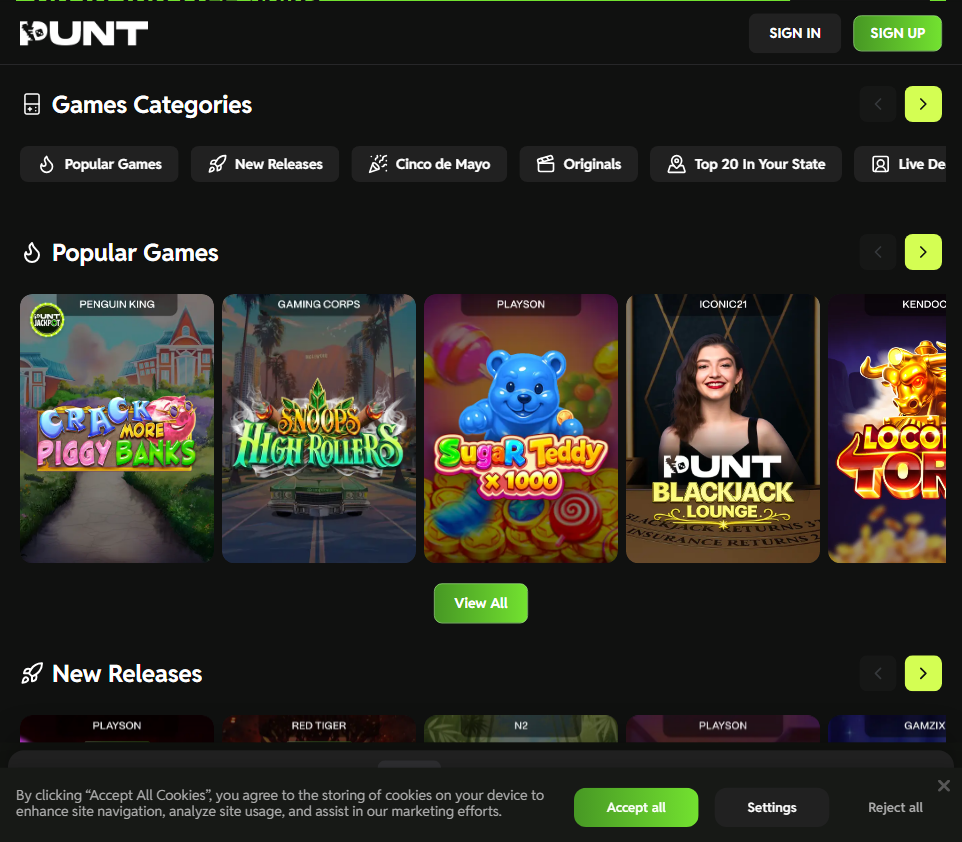
Visit punt.com and tap the sign‑up button. Enter your full name, email address, and a secure password. Verify your phone number with the one‑time code sent via SMS. That’s all it takes to get a Punt wallet.
Link your local bank account, debit card, or mobile money (M‑Pesa, Airtel Money). Choose the amount you’d like to deposit – the minimum is 100 KES. Funds reflect instantly, so you can start transacting right away.
Select “Send Money” or “Pay a Bill”. Enter the recipient’s phone number or Punt ID, the amount, and a short note. Review the fee (usually 0% for in‑network transfers) and confirm. The money arrives in seconds.
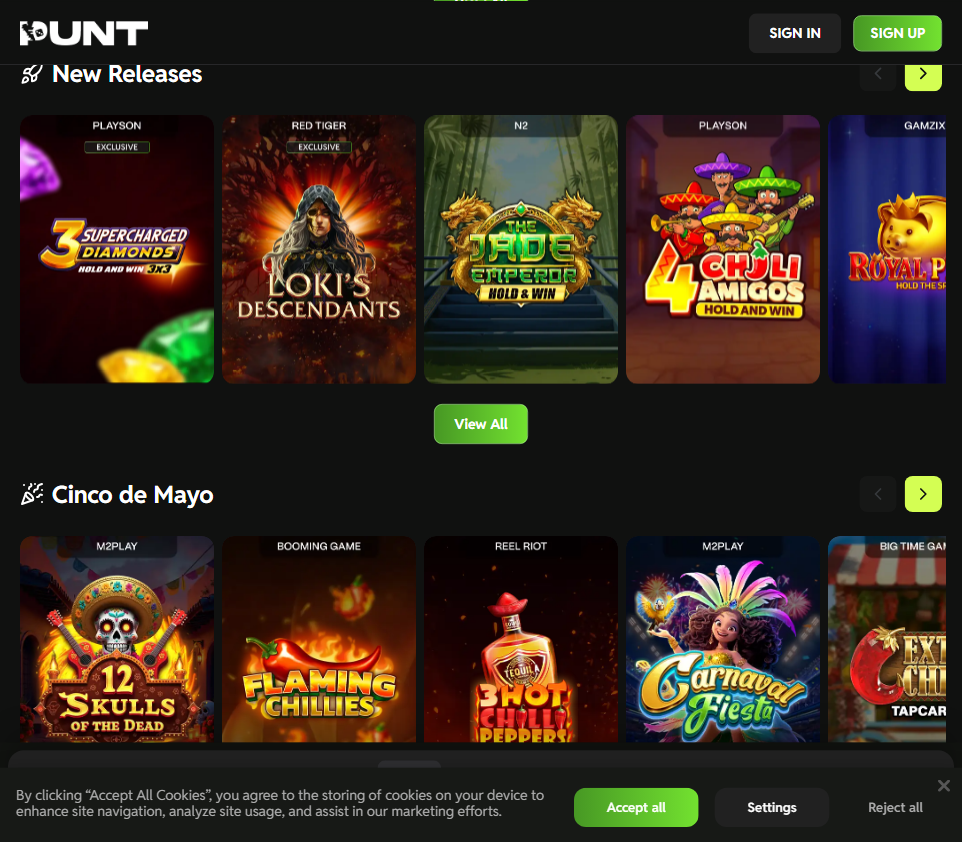
At Punt, the action never stops. Bet on live sports, spin the latest slots and unlock exclusive rewards every step of the way.
What is Punt?
Punt is a lightweight, real‑time polling and decision‑making platform designed for teams, communities, and creators who need quick, honest feedback. Unlike traditional survey tools that feel clunky and impersonal, Punt focuses on simplicity: you create a question, add a few options, and share a link. Anyone with the link can vote anonymously or with their name, depending on your preference, and results update instantly. The platform strips away everything unnecessary—no sign‑up required to vote, no spam, no endless settings. It’s built for the moment you need a yes or no, a choice between A and B, or a quick temperature check on an idea. Whether you're a product manager gathering input on features, a teacher asking the class about exam formats, or a friend group deciding on dinner, Punt gives you the answer in seconds.
How does Punt work?
You start by typing a question into the main field on punt.com. Then you add between two and ten options, each as a short phrase—think “Pizza,” “Sushi,” “Tacos.” Once you hit create, the platform generates a unique, short URL. Share that link anywhere: Slack, WhatsApp, email, Twitter, your website. Voters click the link, see the question, and tap or click their choice. No log‑in, no email verification, no friction. The results page shows a clean bar chart updating in real time as votes come in. You can set a deadline, close voting early, or leave it open forever. The creator gets a dashboard to monitor votes, see timestamps, and export the data as a CSV if needed. That’s it—no learning curve, no bloat.
Who should use Punt?
Punt is for anyone who needs a fast, low‑commitment way to hear from a group. Product teams use it during sprint planning to vote on backlog priorities. Educators use it for quick quizzes or to gauge understanding after a lesson. Event planners use it to pick dates, venues, or menu options. Even casual users rely on it—friends planning a movie night, families deciding on weekend activities, or social media communities running polls. Because there’s no account required for voters, Punt is especially useful when you need to include people who might be put off by a registration wall. It’s also a favourite among newsletter writers and content creators who want to involve their audience in editorial decisions without forcing them to leave the platform they’re already on.
Do I need to sign up to create a Punt?
Yes—creating a Punt requires a free account, but the sign‑up process is deliberately minimal. You only provide an email address and a password. No credit card, no phone number, no lengthy profile. Once you’re in, you can create unlimited punts, each with its own custom link and results dashboard. The account also lets you manage your existing punts, close them, delete them, or change their settings after publishing. Voters, however, never need to interact with the platform beyond the single voting page. This two‑tier design keeps the barrier low for participants while giving creators the control they need.
Can I vote anonymously?
That depends on how the creator sets up the Punt. When creating a new poll, you can toggle between anonymous and identified voting. In anonymous mode, voters see no names or identifiers—just the question and options. The creator also only sees aggregated results, not individual votes. In identified mode, voters are asked to provide a name or a unique identifier (like an employee ID or username) before voting; that name is then visible to the creator in the detailed results view. This flexibility makes Punt suitable for sensitive topics where anonymity encourages honesty, as well as for formal decisions where accountability matters.
Is my data safe on Punt?
Punt takes privacy seriously. All data is transmitted over HTTPS, and votes are stored in encrypted databases. The platform does not sell, share, or use your data for advertising—period. For creators, the only data stored is the question text, options, and vote timestamps (and voter names if identified mode is on). No IP addresses are logged for voters, and cookies are used only for basic session management on the creator dashboard. Punt also offers a data export feature so you can download your poll results and then delete the poll entirely from the platform if you wish. The company’s privacy policy is written in plain English and fully transparent about what is collected and why.
Can I embed a Punt on my website or blog?
Absolutely. Every Punt comes with a shareable embed code—a simple snippet that works in most modern web frameworks. You can paste it into your HTML, and the poll will render directly on your page, styled to match your site’s layout. The embed is responsive, so it looks good on mobile, tablet, and desktop. Votes cast through the embed update the same real‑time results as votes cast via the direct link. This is a powerful feature for bloggers who want to involve readers without sending them away, or for companies that want to embed a quick pulse check in a product page or support article.
What limits are there on the free plan?
The free plan is generous. You can create an unlimited number of punts, each with up to ten options and an unlimited number of votes. There are no caps on the number of voters or the duration a poll can stay open. The only limitation is that free accounts cannot hide the Punt branding (a small “Powered by Punt” watermark on the voting page). For teams that need white‑labeling, custom domains, or advanced features like multi‑question polls, weighted voting, or integration with tools like Slack and Zapier, Punt offers a Pro subscription that starts at $12 per month. The Pro plan also includes priority support and advanced analytics, such as heatmaps of voting times and demographic breakdowns if voter identifiers are used.
How do I share a Punt with a large audience?
Because Punt produces a short, mobile‑friendly link, distribution is straightforward. You can drop the link into a newsletter, pin it in a Discord channel, tweet it, or add it to an Instagram Story. The voting page loads instantly even on slow connections, and the minimalist design means no ads, pop‑ups, or distractions. If you expect thousands of votes, the platform scales automatically—there are no lag spikes or crashes during high traffic. For large‑scale community votes, you can also set a polling end date and time, after which the results are final and the page shows a “closed” message with the final tallies. This feature is popular among conference organizers and online communities that run annual awards or feature requests.
What happens after a Punt ends or is closed?
Once a Punt is closed (either manually by the creator or automatically at the scheduled end time), the voting page transforms into a results‑only view. Visitors see the final bar chart, the total number of votes, and the individual option percentages. The creator’s dashboard still provides the full export and detailed timestamps. The poll can be reopened if needed, or deleted permanently. If you close it but don’t delete it, the page remains accessible to anyone with the link, showing the final results—a handy way to create a public archive of decisions. There’s no automatic expiration, so you can keep a closed poll up for as long as you want, or you can set the link to 404 after a certain number of days via your account settings.
Can I change the options after a Punt has started?
Yes, but with a few guardrails. The creator can add new options at any time, even after votes have been cast. Existing votes are unaffected, and new voters see the updated list. You can also reorder options, edit the text of an option (as long as it doesn’t fundamentally change the meaning after votes have been allocated), and delete an option if it has zero votes. However, to maintain integrity, Punt does not allow deletion of an option that already has votes—because that would distort the results. This policy aligns with the platform’s philosophy of transparency: a vote cast is a vote counted, and the creator should design the poll carefully before publishing. If a serious error occurs, the recommended approach is to close the original poll and create a new one.
Does Punt support multiple questions in one poll?
On the free plan, each Punt is a single question. But the Pro plan introduces multi‑question polls, also known as “surveys.” With a multi‑question Punt, you can add up to ten questions per poll, each with its own set of options. Voters answer all questions on the same page before submitting. Results are displayed per question, and the creator gets a combined export. This is useful for course evaluations, employee satisfaction surveys, or any scenario where you need correlated data from the same group of respondents. Multi‑question polls also support conditional logic (Pro only), meaning you can show or hide follow‑up questions based on a previous answer.
 English
 Français
 Deutsch
 Español
 Italiano
 Português